
Kurt Vonnegut’s shapes of stories is a delightfully illuminating walk into how stories come in a variety of patterns each equally enthralling. It is a reminder that patterns are everywhere and stories are everywhere too. There is a pattern to every story and a potential story in every pattern. In this article, I want to approach stories with a different lens - a lens that is focused on their impact on the observer.
A Colorful Circle 🔗
I see stories fall into four major buckets through this lens. I’ll be using movies and TV Shows as examples to dive into each of these categories. While these buckets are neither progressive nor comparative, neither better nor worse than the other, the cosmic stories occupy a special place in my heart. You will see why as the article progresses.
Many stories traverse the wheel during their unfolding instead of neatly slotting into one of these buckets. As the audience, how deeply you are willing to take part in this unfolding also impacts where the stories slot for you. If you are a writer or a storyteller, this categorization may perhaps add a new tool to your introspective repertoire as you assess where your story must go. If you are a child of this world, wondering through the magic of stories, this may invite you to wander further, suspend your disbelief a little bit more, surrender or take control.

Organic Stories 🔗
These stories revolve around the characters. There may be a plot but it will feel insignificant compared to the weight and the colorfulness of the characters. There may be jokes, but you will remember them only through the characters that rendered those jokes alive. There may be drama, but the drama is only of consequence because of your attachment to the characters.
These stories are organic because when the story begins, you are introduced to the characters. You begin forming a relationship with them through judgments and projection. As the story progresses, the relationships grow into attachments. By the time the story comes to a completion, the characters become entwined with your being.
A perfect example for such organic stories is Seinfeld, the show about nothing. You are not there for the plot. The jokes and the skits are funny because of your attachment to the characters. It is such a great example here as the writers didn’t even feel compelled to have a climax or a completed story arc for any of their characters. They just were and left just as they were.

The writers of these stories have an extremely detailed sketch of these characters and then a seed of a plot - an event, a funny moment, an interaction, a situation or perhaps just another quirky character. And voila, the plot grows organically as the characters fully and freely express themselves.
Another example is the Tamil movie, Meiyazhagan - a beautiful rendition of how an event, a wedding, results in the unfolding of a string of occurrences brought alive by exceptionally detailed sketches of the movie’s two main characters.
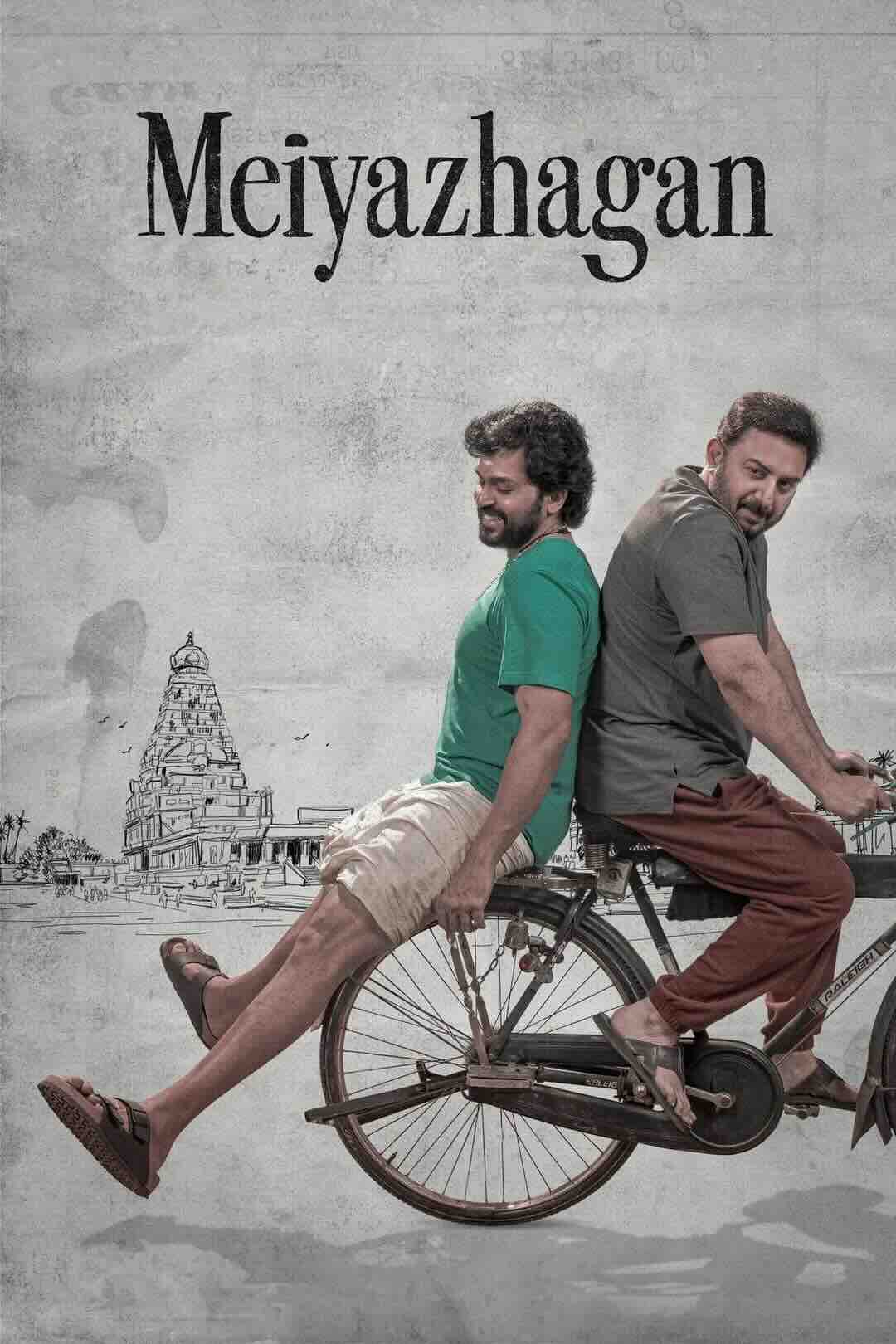
These stories paint the characters with unquestionable integrity, vulnerable, open and ready to be accepted as they are with all their quirks and beauty packaged together. As the audience, you bring a piece of these characters back with you, your emotions clearly entwined with them.
Tidal Stories 🔗
These are stories where the characters, even if they are incredibly colorful, come, go and eventually take a back stage as the plot captures you and takes you on a wild ride of ups, downs, twists and turns. You are there for the ride and the characters are waypoints as you tumble and roll with delight.
Here the writers sketch the plot in excruciating detail and the characters emerge as and when needed to move the plot along. When the story is done, you remember the curves, the highs and the lows, the sharp corners and the steep falls. You clamped your seatbelt, enjoyed the ride and you head back with the exhilaration in your veins charging you as you plot your own story.
Quentin Tarantino’s epic Kill Bill fits the slot perfectly as the title captures the plot. Bill will be killed and you are there to see it happen as the movie unravels who he is, why he must be killed, when, where and how he will be killed. While the movie is ornamented with vibrant characters that capture your imagination, you see that they are only needed for the plot to move forward as they die one by one, leading you to the final boss.
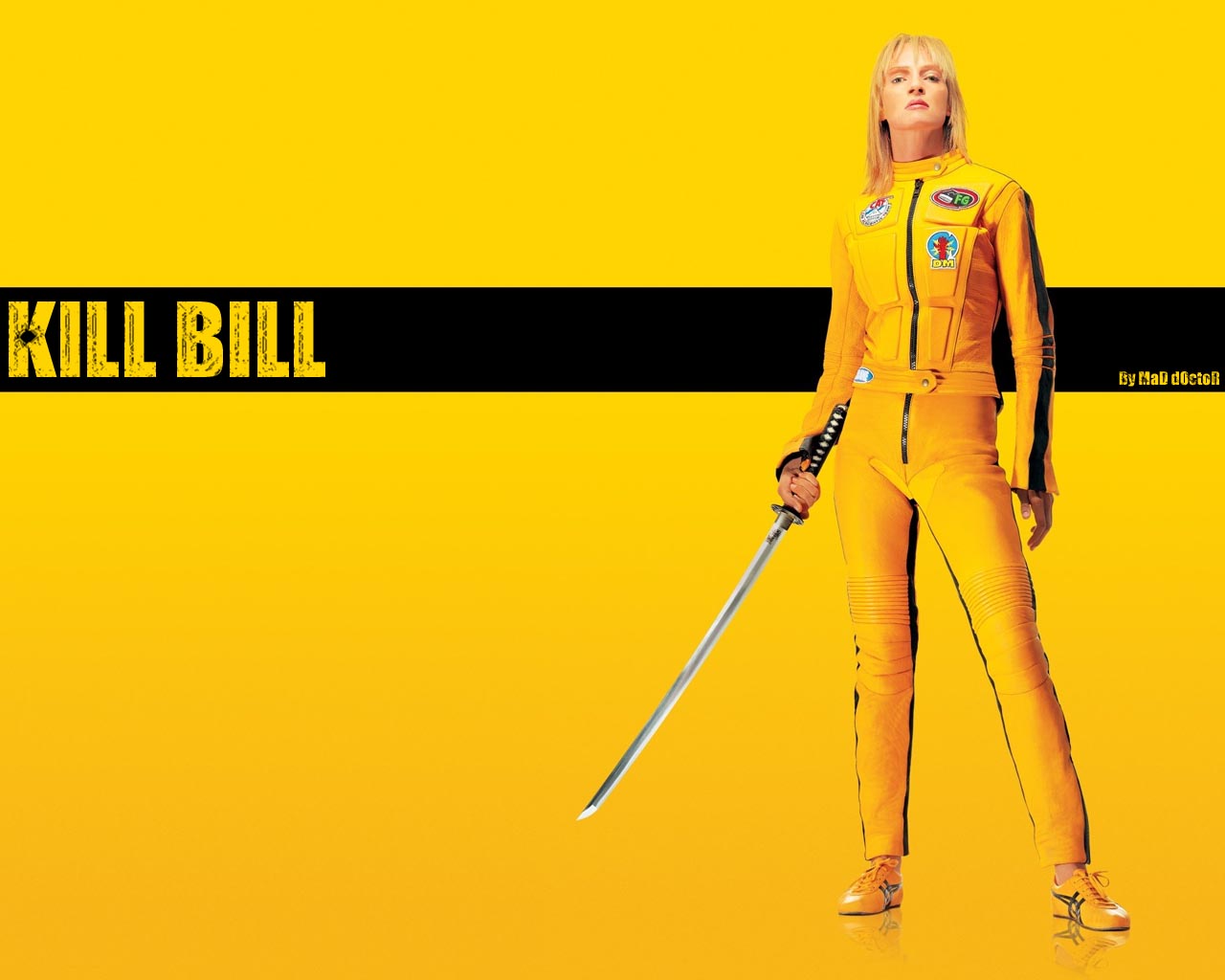
Moving to the east, Nalan Kumaraswamy’s Soodhu Kavvum is a fantastic Tamil movie that takes you on a wild ride, once again adorned with colorful characters nevertheless leaving you with more adrenalin from the plot than attachment to any particular character. The plot is the protagonist. Characters mere vehicles.

Writers here are devoted to the plot. They will do their best to preserve the sanctity of the plot even at the cost of their characters being less exposed or explored. As the audience, you do not have the bandwidth to focus on any one character as you are constantly pushed and pulled into the rhythm of the plot’s waves.
Spiritual Stories 🔗
There are stories where the characters, the plot and everything else converge towards something greater than the sum of its parts. There is a unifying vision. The message in the bottle. The indivisible spirit of the story. The writer or the director dutifully sculpts bits of matter around in order to preserve the spirit without a single blemish and reveal it to the audience in a timely fashion.
As the audience, you are sometimes left clueless. You submit to the writers, suspending your disbelief and inherit their eyes as you gratefully experience what they experienced as shared reality. When the story ends, inevitably, you have opened a beautiful bottle and read a singular message that has been carefully considered and meticulously written.
Wes Anderson’s The Phoenician Scheme is visually striking, stylistically similar to many of his other movies and tells a story in a very specific way. The actors portray their characters in a way that you may not have seen them before. Dialogues follow and enhance the movie’s eccentricity.
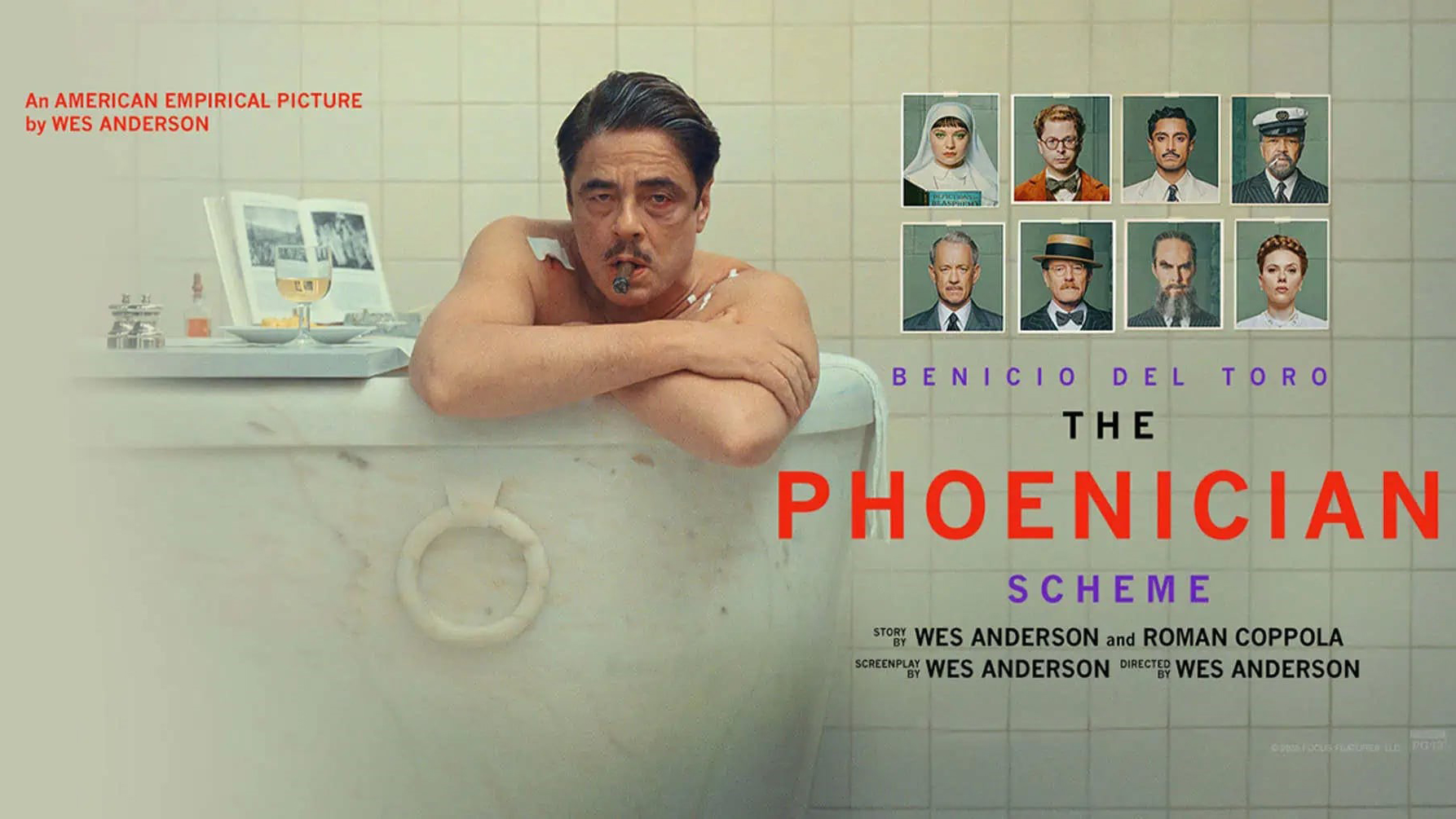
You are not just viewing the movie. You may be in your house, sitting on your couch. You may be watching it at your favorite movie theater. But none of that matters. You are viewing the movie exactly as the director intended. He is not just directing the movie, he is directing you as well. You feel his presence beyond the script, the characters, the dialog, the plot and the visuals. The director becomes your spirit guide as he holds your hand and takes you on this peculiar journey.
Gulzar’s Ijaazat is another wonderful example where the director weaves three lives together through three timelines, gently guiding you through the interleaved transitions masterfully as you bear witness to the decisions of the characters as you wait along with the characters for the arrival of the train.

The train does arrive but brings with it an emotional whiplash that you witness in turmoil alongside the unsuspecting protagonist.
K. Balachander’s Aboorva Raagangal is a peak experience as the camera and the scene setting are so poetic that you can feel the director sitting next to you narrating the movie without words. The climactic song beautifully captures the moment when six different story arcs come together as the jigsaw puzzle of human relationships gets put together magically.
The song is extraordinarily dense as Kannadasan’s gorgeous words spill out eternal truths becoming the voice of the director guiding us above the emotional avalanche as we gasp for breath. Spiritual magic.
Cosmic Stories 🔗
Sometimes as you are experiencing a story, you see that the story is experiencing you. Through these stories, you are experiencing yourself. They are not just moving stories. They are stories that move you and as you are being moved, they make you self-aware as you see yourself moved. This awareness brings you to a point of no return as you experience an epiphany. You are transformed. The plot, the characters, the dialogues, the setting; they are all set up just so that you can bear witness to your own transformation.
As a writer, you are focused on your audience. You write every word, every turn, every scene, deeply immersing yourself into the psyche of your audience, evaluating every movement on its impact. You plot, not just the story of your characters, but the story of your audience, desiring to author a turn in their stories in a perhaps small but significantly meaningful way. You connect deeply with every one of your consumers, feeling what they feel even if you know none of them personally. You realize they are you and you are them. You experience the transformation many times yourself so that you can deliver that to your audience wrapped in a magical box or as a delightful whip in a meditative trip.
Demon Slayer: Kimetsu no Yaiba, Infinity Castle deceptively packages an emotionally charged, philosophically deep story as an action movie for young adults. You are watching a mastery of colorful brilliance, quirky characters and a monster hunting quest.

As you slowly develop the required negative emotions to celebrate the downfall of the monster, you are dragged down violently from the exhilarating action and relentless pace into a state of total calm and deep reflection, as you are forced to identify with the monster you were so deeply rooting against. If you will allow it, you may witness your own movement as you shift through hatred, empathy and transcendence realizing that every character could be your own self.
In Enlightenment Guaranteed, we follow two brothers on a journey of self-discovery. What seems to be a coming-of-age movie for middle-aged people is a deeper critique on life itself as we view the brothers with our shallow eyes, judgments and commentary in our heads only to see those views slowly transform as it prompts us to reflect on ourselves, our surface level view of life, desires for greener grass, need for validation and our willingness to sacrifice authenticity so that we fit in.

Mrinal Sen’s comedic epic Bhuvan Shome takes you through two worlds, one mechanical and the other organic, and their collision as you witness nurtured and cultivated learnings of a man put on trial. The rules and reason that work so well for him in his world are questioned deeply by the rhythms of a different one as he opens up to an education of a different kind.
You follow the tale, its whimsical caricature, laughing along at the loud differences between the two worlds, the oversized characters bringing all of themselves to add more color to an already colorful portrayal only to find yourself masterfully placed in the middle of an ancient epic, questioning ethics, education, relationships and the butterfly effect of our miraculous existence.
Cosmic stories are the ones that place you in the same spot as Bhuvan, experiencing life anew as through the movie you learn more about your own self. You stand naked as the plot, the characters, however outsized they may be, disappear and several big questions are asked of you, inviting you to view the world that you inhabit in a slightly different perspective.
An Exception 🔗
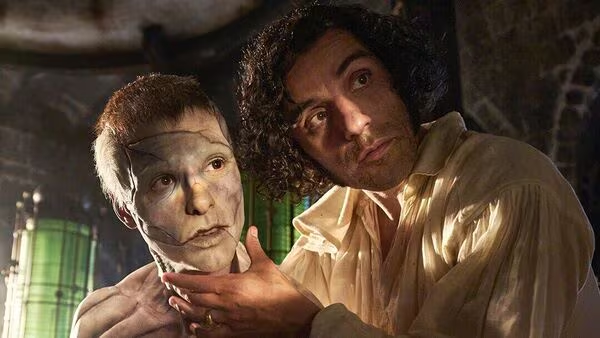
Guillermo Del Toro’s Frankenstein is a gorgeous rendition of an epic tale. It captures every ounce of your attention with beautiful sets, exceptional attention to detail, breathtakingly detailed character sketches, ethereal costumes and riveting performances.
With the story told in two parts and with two perspectives, it deceptively leads you to characterize it as a cosmic story. However, if you pay attention you realize that both the parts are told from a point of time when the transformational event has already happened. When the creator aims to destroy his creation, the creature’s beauty and the creator’s ugliness have already surfaced. So the two perspectives do not alter the state of your empathy.
Throughout the movie your emotions are strictly aligned with the creature seeking meaning and the creator as a representation of Biblical greed. You realize that this is a decision made by the director. He wanted the movie to be seen from this point of view, even through two different lenses. So, while this movie could have been potentially cosmic, it is a spiritual one.
Does it make the movie better or worse? This question is the reason why I decided to make the characterization a wheel instead of a pyramid. GDT’s Frankenstein is a fantastic spiritual movie. It gives you an unforgettable experience while leaving room for another potential Frankenstein movie to fill the cosmic space.
A storyteller’s perspective 🔗
To narrate long stories to an audience is a transformative experience. You are telling a story while trying to connect with every person in the audience. As you are doing it they are connecting with the story and its characters through you. You respond to your audience, as you gauge their attention, their reactions and gently modify, sometimes your actions, sometimes the storyline, sometimes the characters in your story to make the experience one that they will never forget.
When the story you aim to tell is a cosmic one, it takes you to a different plane of existence. The story and its characters gallop as a wild horse having a direction of its own. The imagination of the audience rides as another, trying to mirror, sometimes trying to break away. Yet another one, your own trying hard to respond and synchronize the other two.
If you are to make this a cosmic experience for all, you have to become the field in which these horses gallop, surrendering to their rhythms, giving all your energy so that their movements align. When you manage that occasionally, the whole place along with everyone in it experiences a magical cosmic shift and reality bends.

Kayal, The Formidable is a story that is a culmination of several attempts to tell such a cosmic story. Here is a preview copy of Kayal for anyone that wishes to continue my attempts. I can assure you, young storyteller, that it will be as transformative for you as it is for your audience.
Stories are Envelopes 🔗
Once Kurt Vonnegut told his wife that he was going out to buy an envelope.
Oh, she says well, you’re not a poor man. You know, why don’t you go online and buy a hundred envelopes and put them in the closet? And so I pretend not to hear her. And go out to get an envelope because I’m going to have a hell of a good time in the process of buying one envelope. I meet a lot of people. And, see some great looking babes. And a fire engine goes by. And I give them the thumbs up. And, and ask a woman what kind of dog that is. And, and I don’t know. The moral of the story is, is we’re here on Earth to fart around. And, of course, the computers will do us out of that. And, what the computer people don’t realize, or they don’t care, is we’re dancing animals.
— Kurt Vonnegut